
Ralf Rangnick: A Comprehensive Exploration of His Coaching, Management Career, and Distinctive Style
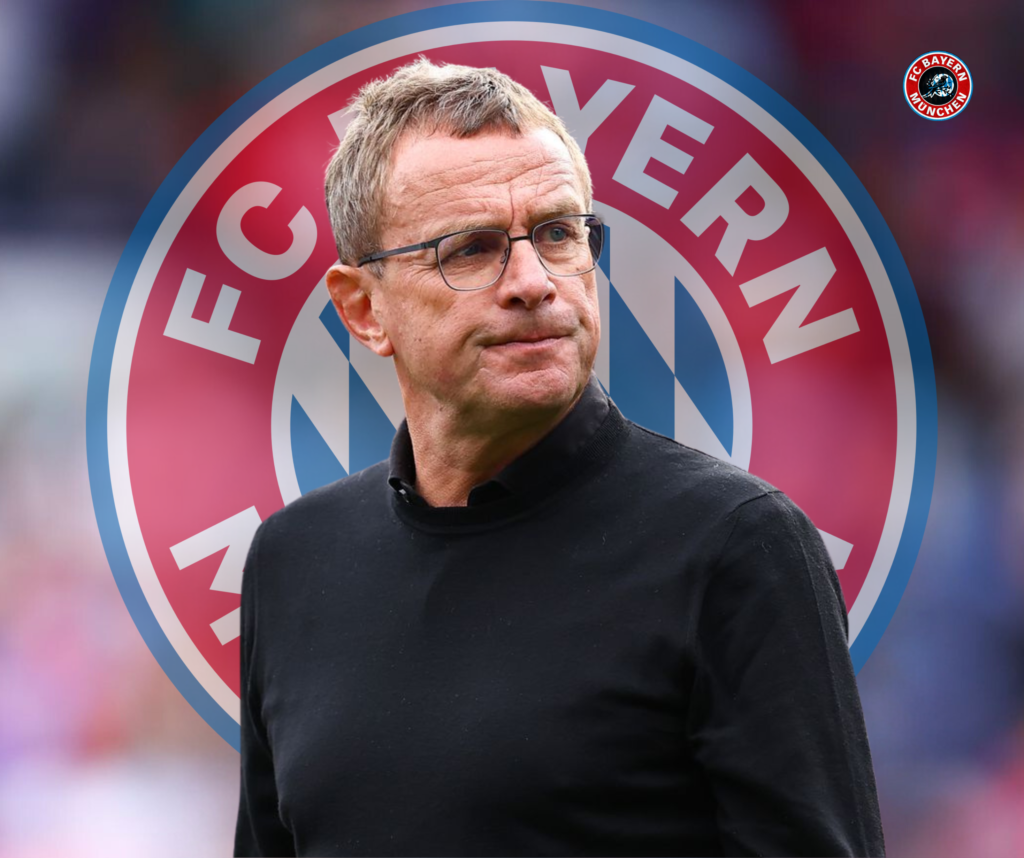
Early Life and Playing Career:
Ralf Rangnick’s playing career was modest, featuring stints at clubs like VfB Stuttgart II, Southwick, VfR Heilbronn, and Ulm 1846 among others.
Coaching Career:
Early Career: Rangnick began coaching in 1983 with FC Viktoria Backnang and quickly moved through the ranks, coaching various teams including VfB Stuttgart II and TSV Lippoldsweiler.
VfB Stuttgart: He was appointed by Bundesliga club VfB Stuttgart, where he won the UEFA Intertoto Cup in 2000 but was dismissed in 2001.
Hannover 96: His next notable success came with Hannover 96, winning the 2. Bundesliga, although he was dismissed in 2004.
Schalke 04 and TSG
Hoffenheim: Rangnick had two stints with Schalke 04, winning the DFB-Pokal and reaching the semi-finals of the UEFA Champions League. He also led TSG Hoffenheim to successive promotions to the Bundesliga.
RB Leipzig: He served as head coach at RB Leipzig across two periods between 2015 and 2019.
Manchester United: In 2021, Rangnick was appointed as interim manager of Manchester United until the end of the 2021–22 season.
Austria National Team: Currently, he is the manager of the Austria national team.
Executive Career:
Red Bull: Rangnick joined Red Bull as director of football in 2012, overseeing their expansion into European football. His tenure saw Red Bull clubs’ market value rise from €120 million to €1.2 billion.
Lokomotiv Moscow: He resigned from Red Bull in 2020 and joined Russian club Lokomotiv Moscow as manager of sports and development in 2021.
Management Style:
Gegenpressing: Rangnick is credited with developing the ‘Gegenpressing’ tactic, where his teams immediately attempt to win back possession after losing it, rather than falling back to regroup.
High-Intensity Football: His philosophy is characterized by high-intensity and fast-paced attacking football, which demands a high level of fitness and commitment from the players.
Zonal Marking: He is known for popularizing zonal marking, which requires players to defend areas rather than marking individual opponents.
Club Building: Rangnick has a reputation for transforming clubs by implementing detailed structures and modernizing every aspect, from the youth academy to the first team.
Data-Driven Decisions: His approach is also data-driven, utilizing statistics and analytics to inform decisions and improve performance.
Coaching Style:
Tactical Flexibility: Rangnick often employs a 4-4-2 or 4-2-2-2 formation, which can dynamically change during a game. This flexibility allows his teams to adapt to different situations on the pitch.
Pressing and Counter-Attacking: His teams are known for their aggressive pressing high up the pitch, which often leads to quick counter-attacks and exploiting the opposition’s disorganized defense.
Youth Development: He prefers working with young squads, emphasizing the development of unproven players and nurturing talent through a comprehensive scouting network.
Intensity and Physicality: His tactics require players to cover a lot of ground quickly and maintain a high tempo, which is why he values physicality and stamina in his players.
Rangnick’s style of management and coaching has not only brought success on the field but has also influenced a generation of coaches. His legacy is evident in the way modern football is played, with a focus on pressing, intensity, and tactical innovation.